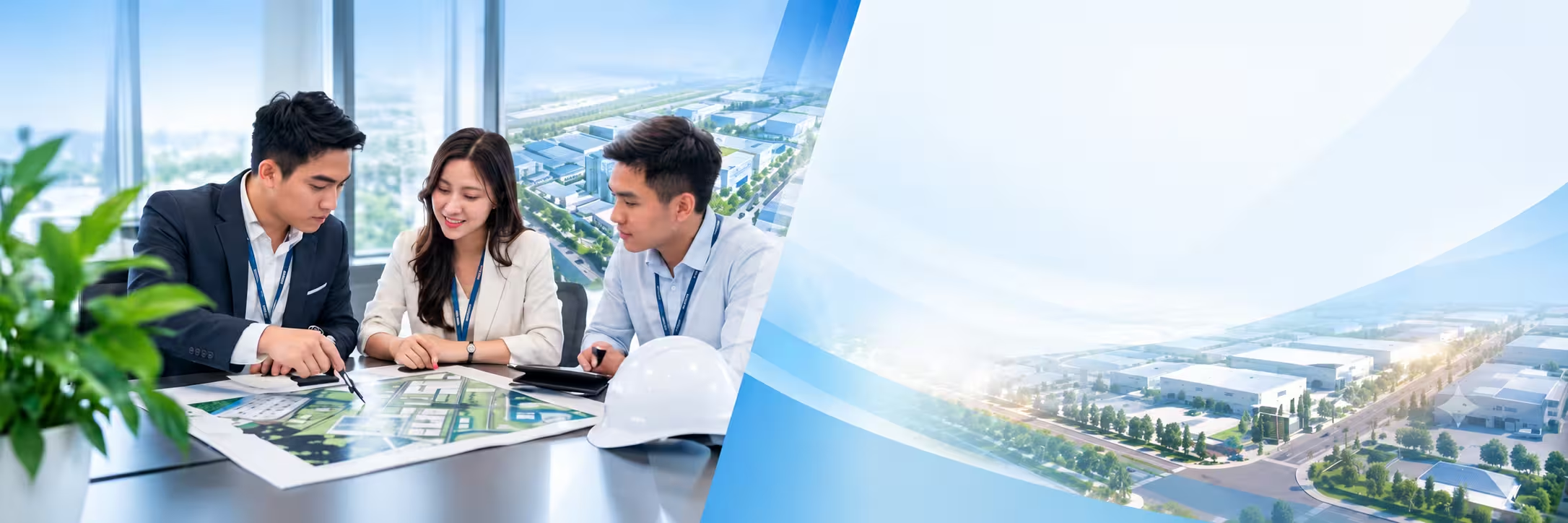
According to the Ministry of Planning and Investment, up to now, the system of industrial parks and economic zones in the country is present in 61/63 provinces and cities with 403 industrial parks, 18 coastal economic zones and 26 border gate economic zones established. The occupancy rate of industrial parks in Vietnam currently reaches 70.9%, equivalent to the level at the end of 2020. Industrial parks and economic zones have attracted more than 10,000 domestic projects and nearly 11,000 valid foreign investment (FDI) projects with a total registered investment capital of about 340 billion USD.
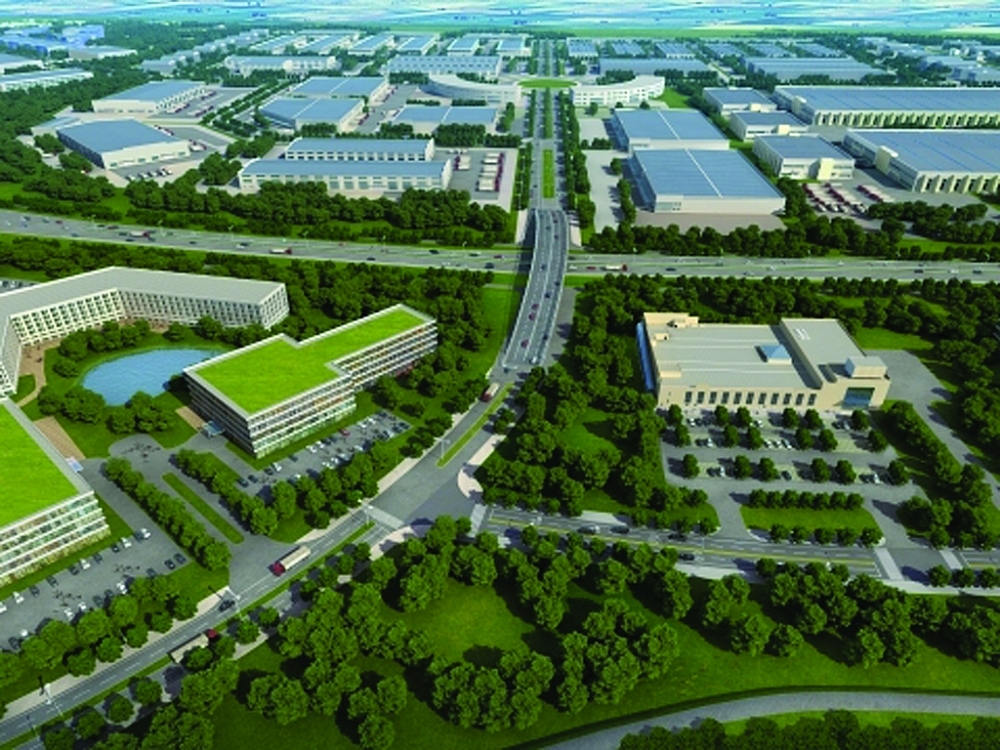
In order to welcome the wave of foreign investment, many localities and industrial parks have planned to expand infrastructure. Analysts from SSI Securities Company believe that foreign investors' demand for industrial park land rental continues to be assessed for positive growth and will be a driving force for the development of the industrial park infrastructure construction industry.
However, for industrial parks to truly become effective and attract high-quality, high-value businesses, the construction of accompanying infrastructure is always a matter of great concern. Specifically, industrial parks must have infrastructure for workers' lives, infrastructure for transportation, logistics and implementation of import-export procedures... According to experts and businesses, industrial parks must build an "ecosystem" to create production chains, increase added value and aim for economic integration, bringing export products to international markets.
For example, although only in phase 1 of the project, Hanoi South Supporting Industrial Park (Hanssip) has been building and developing in the direction of an "Industrial Ecosystem", including full conditions for businesses and workers to produce - work - live, maximizing service to workers - employees - managers, experts and partners who come to transact production - business services at Hanssip industrial park. Standard factories are built for rent with flexible conditions and with the cooperation support of financial institutions and banks right in the industrial park. In addition, the industrial park also integrates logistics centers, schools, medical clinics, shopping centers, cinemas, hotels... In particular, Hanssip also has a Labor Vocational Training Academy, helping to link with hundreds of Vietnamese vocational training schools to soon meet the needs of domestic and foreign businesses for labor.
Similarly, Yen Phong Industrial Park (Bac Ninh) is also invested in a synchronous and modern technical and social infrastructure system. Currently, Yen Phong is considered the industrial park attracting the largest FDI capital in the North with more than 10 billion USD. Yen Phong Industrial Park is located in the planning of Yen Phong Science and Technology Complex, including industrial park, household production area, office - hotel area, training area, housing area, park area and sports area...
In Dong Nai, Amata Industrial Park plans to deploy construction according to the eco-industrial park model, with incentives for businesses to use green energy, reuse wastewater and "symbiotic" businesses to create links for mutual development. Businesses said that participating in this industrial park has helped reduce many production costs, while meeting green production requirements - increasing opportunities and better meeting environmental standards when exporting goods to "difficult" markets.
According to Mr. Nguyen Van, Vice Chairman of the Hanoi Supporting Industry Business Association, industrial parks that have been and will be invested in and developed need to consider selecting secondary investors in accordance with the development goals of a modern, environmentally friendly "industrial ecosystem" and creating sustainable living and working for workers. In addition, along with human resource support, Vietnamese supporting industry enterprises will participate more deeply in the global value chain.
However, the barrier to the above development orientations is that administrative procedures are cumbersome and overlapping, and implementation time is too long, increasing costs and time, reducing project efficiency. Site clearance for newly established industrial parks still has many problems, and investment incentive policies are not consistent; Industrial production linkages and cooperation in Vietnam's industrial parks and economic zones are still limited...
Source: Creating an "ecosystem" for industrial parks (haiquanonline.com.vn)