Vietnam's supporting industry is facing golden opportunities to participate and expand its position in the global market.
Opportunities for supporting industry enterprises
According to the Ministry of Industry and Trade, the advancement of the manufacturing and processing industry helps Vietnam become the world's new factory. Forecasts of the International Monetary Fund (IMF) show that by 2025, Vietnam will surpass the Philippines and Singapore to rank third in Southeast Asia in terms of economic scale with a GDP of more than 571 billion USD.
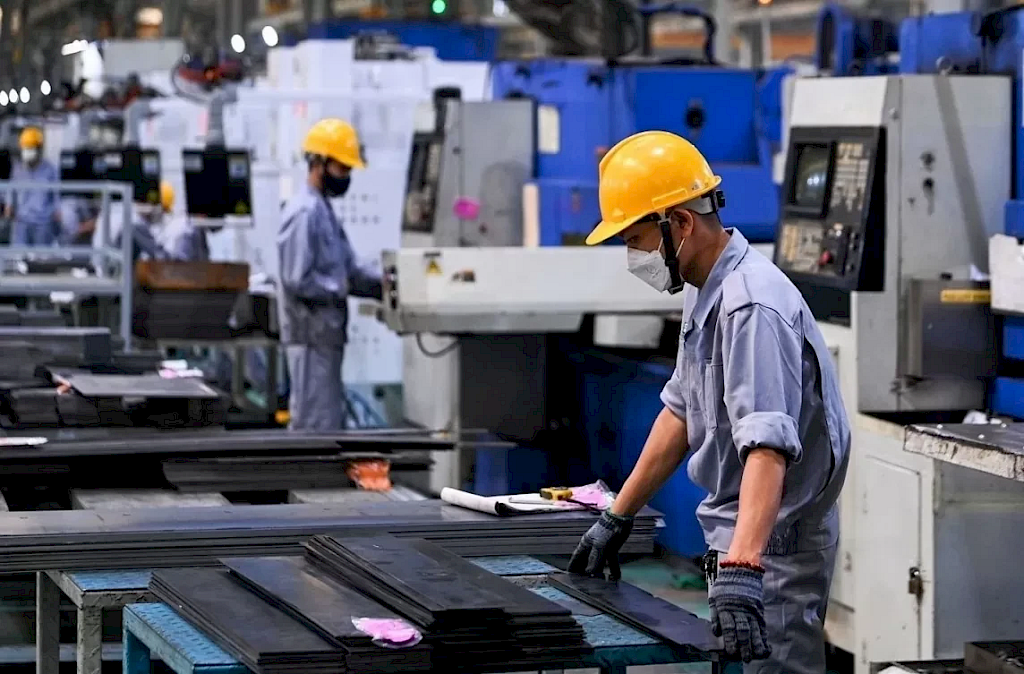
Vietnam can completely become the electronics manufacturing center of Asia, which is expected to open up opportunities for many domestic supporting industry enterprises to join the chain of leading technology "giants" such as Apple, Intel, Samsung... But in reality, taking advantage of opportunities is still a very difficult problem for many businesses.
From the beginning of the year until now, big names in technology have come to Vietnam. For example, Trina Solar (China): 454.4 million USD; Gokin Solar's photovoltaic cell technology complex project (Hong Kong - China): 274.8 million USD; Electronic equipment factory project of BOE (China): 275 million USD; Bio-BDO (Butanediol) biofiber factory project of Hyosung (Korea): 730 million USD; Amkor Technology Group project (USA): 1.07 billion USD.
In fact, not only Chinese enterprises, but many FDI enterprises from all over the world also follow their parent companies into Vietnam to participate in the supply chain.
Recently, the Analysis Department of Mirae Asset Securities Company listed typical cases from technology "giants" such as: Apple Company plans to increase investment in Vietnam; The vice president of US technology company Nvidia visited Vietnam in April 2024 to discuss cooperation on the semiconductor ecosystem and artificial intelligence (AI); Samsung plans to invest an additional 1 billion USD per year in Vietnam; Alibaba plans to build a data center in Vietnam; Large Korean enterprises such as Hyundai Motor, Lotte, Doosan Enerbility, Hyosung commit to continue investing in Vietnam.
However, there is a reality that experts recognize, in order for Vietnam not to lose billions of dollars in investment from FDI "eagles" and continue to be the world's technology "factory", requires preferential policies that are appropriate and clear to the new context and should provide a full ecosystem and infrastructure.
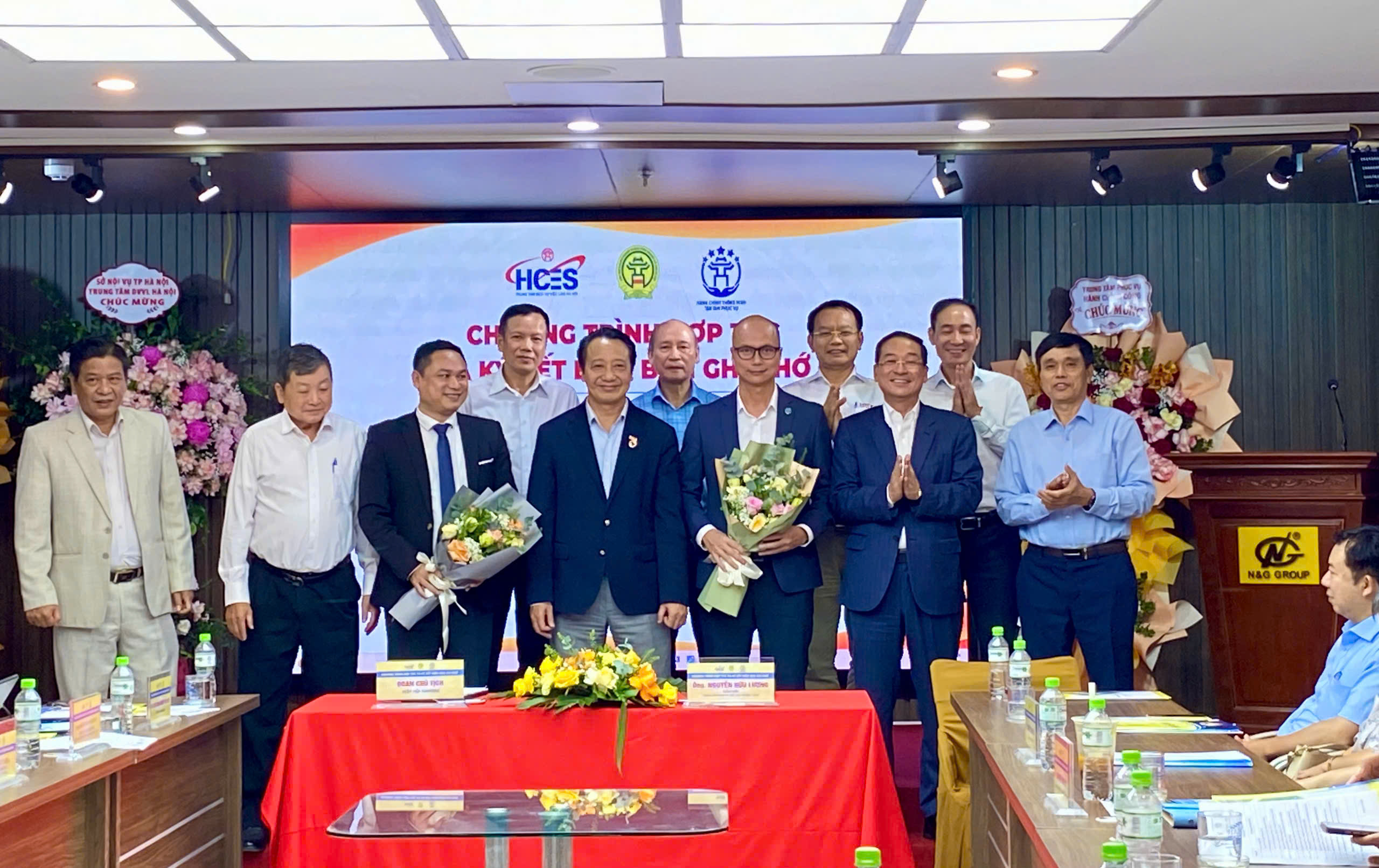
Sharing about this issue, Mr. Nguyen Hoang - Chairman of the City Supporting Industry Business Association. Hanoi (Hansiba), Vice Chairman of the Vietnam Association of Supporting Industries (VASI), Chairman of the Board of Directors of N&G Group, informed that at this time, Vietnamese businesses are deeply participating in the Free Trade Agreement (FTA) market with major powers in the world. Along with that, the macro policies of the Vietnamese state and the interest, investment and cooperation of corporations from countries around the world in Vietnamese businesses will be an opportunity for businesses in general and supporting industry businesses in particular to participate in the global value chain.
In the trend of supply chain transformation, in order to not become a "buffer zone", Vietnam needs to improve its capacity to absorb FDI capital flows, take advantage of opportunities for technological change and autonomy, develop supporting industries to gradually become independent in production and export, moving towards Vietnamese enterprises replacing foreign companies.
Making good use of advantages requires businesses to improve their competitiveness
Actually, the opportunity for Vietnam to continue attracting technology "eagles" still has room. According to the Department of Industry (Ministry of Industry and Trade), during the development process, Japan, Korea... always have large economic corporations leading the development of other businesses. The Ministry of Industry and Trade has proposed policies to support the formation of large manufacturing corporations in Vietnam.
However, this policy is not spread out but focuses on foundation and priority industries and sectors. This will be one of the important changes in policy formulation to build an autonomous industry. Thereby, helping Vietnam become the world's new factory, an attractive investment destination for large world corporations to invest in Vietnam
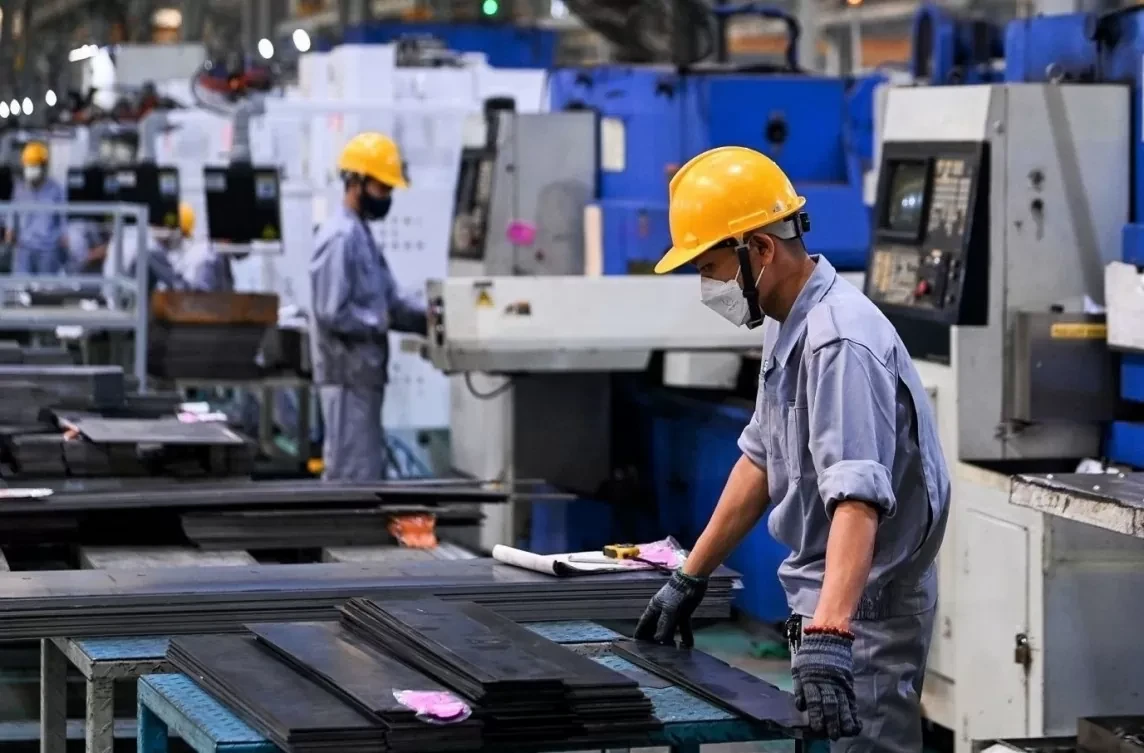
For the sustainable development trend and current requirements, the representative of the Department of Industry said that with a highly open economy and export-based economic growth like today, Vietnamese industrial enterprises must proactively improve management capacity, technical level and restructure production based on digital transformation, improving skills and human resource qualifications. Only then can we meet the strict requirements of multinational corporations in deeply participating in the global supply chain.
The representative of the Department of Industry also said that, in reality, the level of understanding and information grasp of a part of Vietnamese businesses, most of which are small and medium-sized enterprises, regarding responsible business is still limited. In particular, the concept of due diligence responsibility in the supply chain is still quite new in Vietnam. Similarly, the world's leading aerospace companies such as Boeing and Airbus are looking for Vietnamese suppliers to join their production networks. However, the path to entering the chain of these "big guys" is always not easy for Vietnamese businesses.
Faced with the above reality, the Vietnam Supporting Industries Association also recommends the need for a strategy, considering supporting industries to play an extremely important role, the nucleus of the industrialization process. In addition, there needs to be a separate law for supporting industries with specific preferential policies as a basis to promote industrialization.
Along with market development and access to new technology, supporting businesses to increase labor productivity - ensuring product quality and delivery time - being eligible to connect to the supply chain, is also one of the ways for Vietnam to move closer to the goal of building an autonomous industry. From there, it helps businesses grasp opportunities, have strategies to invest in infrastructure and machinery, improve competitiveness in the international market and be able to "squeeze in" orders from businesses in the global value chain.
Source
https://baoquangninh.vn/co-hoi-vang-cho-doanh-nghiep-nganh-cong-nghiep-ho-tro-3327245.html