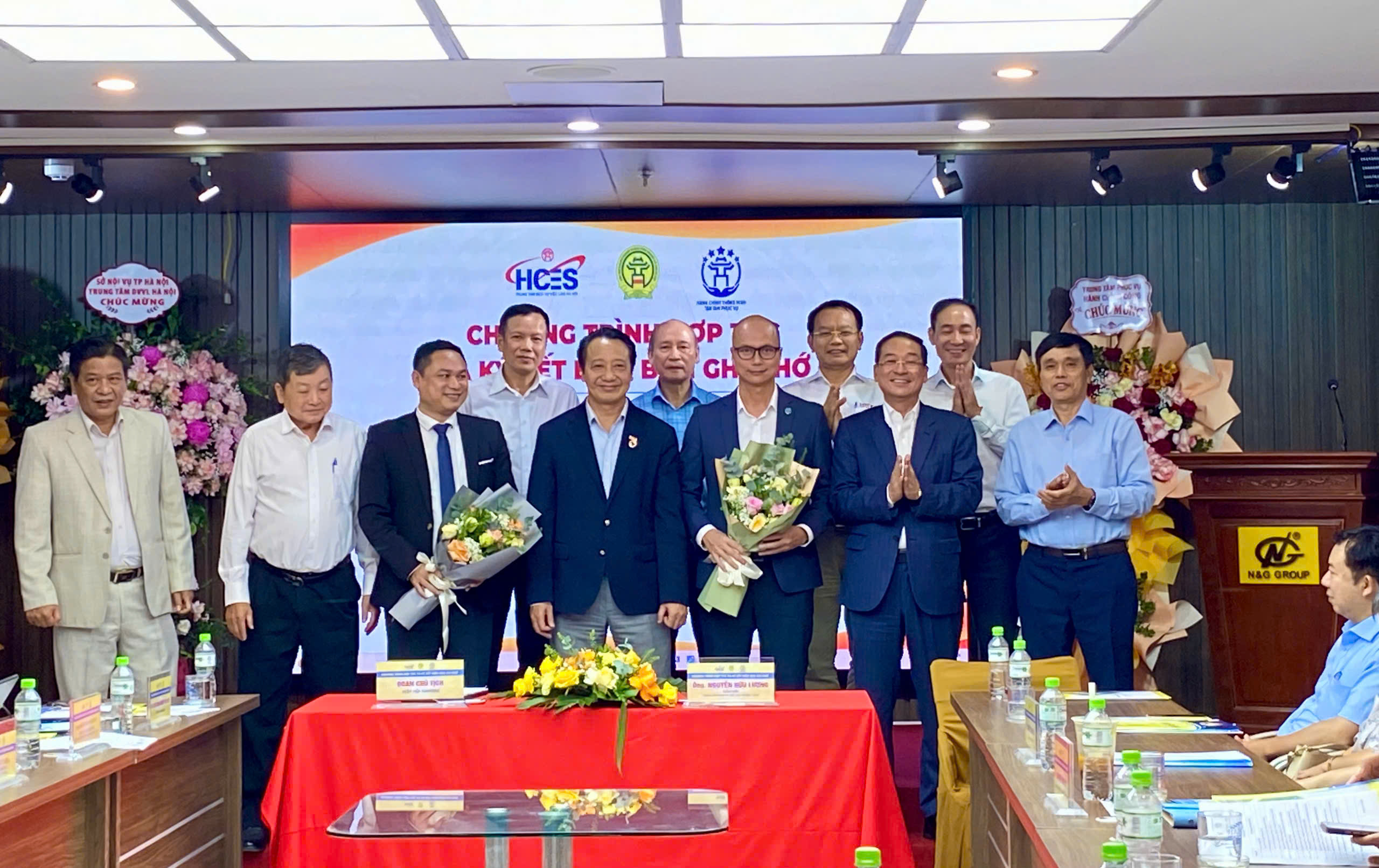
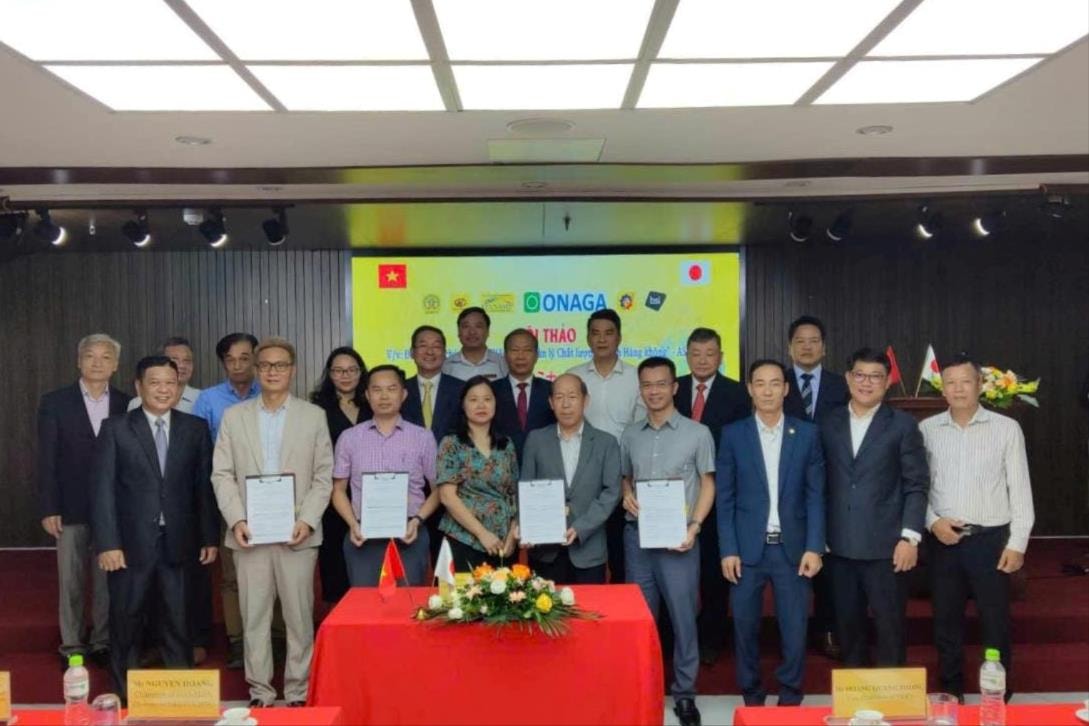
Sự kiện mở ra cơ hội cho doanh nghiệp Việt Nam tham gia chuỗi cung ứng toàn cầu, góp phần đưa Việt Nam trở thành trung tâm sản xuất linh kiện hàng không và vũ trụ trong tương lai.
Cơ hội phát triển lớn từ thị trường Châu Á - Thái Bình Dương
Theo báo cáo mới nhất từ Airbus, thị trường dịch vụ hàng không thương mại tại khu vực châu Á - Thái Bình Dương dự kiến sẽ tăng gấp đôi về giá trị, từ 52 tỉ USD lên 129 tỉ USD vào năm 2043. Đặc biệt, phân khúc bảo dưỡng máy bay sẽ đạt giá trị 109 tỉ USD, cùng với sự tăng trưởng mạnh mẽ của các phân khúc cải tiến, nâng cấp máy bay và đào tạo nhân lực. Với nhu cầu cần thêm 999.000 chuyên gia mới, bao gồm 268.000 phi công, 298.000 nhân viên kỹ thuật và 433.000 tiếp viên hàng không trong vòng 20 năm tới, đây chính là cơ hội lớn cho các doanh nghiệp Việt Nam tham gia vào chuỗi cung ứng của ngành.
Việt Nam, hiện được xếp hạng là thị trường hàng không phát triển nhanh thứ năm trên thế giới và dẫn đầu khu vực Đông Nam Á, có tiềm năng rất lớn để tham gia vào chuỗi cung ứng toàn cầu trong lĩnh vực hàng không và vũ trụ. Tuy nhiên, việc đáp ứng các tiêu chuẩn khắt khe như AS9100 vẫn là một thách thức mà các doanh nghiệp trong nước cần vượt qua để nắm bắt cơ hội này.
Tiêu chuẩn AS9100 và vai trò của doanh nghiệp Việt Nam
At the conference, Mr. Ishida Takayuki - General Director of Consulting - Investment - Development Co., Ltd. supporting industries Vietnam - Japan (VI-JA CID) - emphasized that the global demand for commercial aircraft in the next 20 years will reach 36,000 units, with an average annual growth rate of about 5%. This opens up great opportunities for Vietnamese businesses to participate in the supply chain of the aviation and space industry. However, currently, Vietnam still does not have any domestic manufacturer that meets the standards to provide components for the aircraft industry.
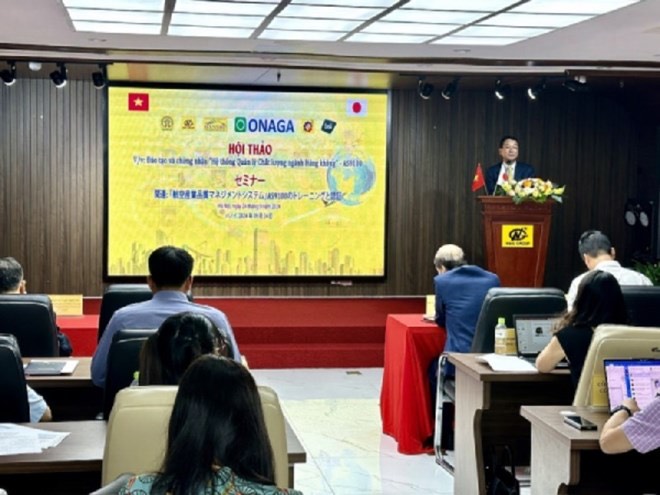
Chairman of Hansiba, Mr. Nguyen Hoang, also commented that although the aviation and aerospace industry in Vietnam is still very new, it is developing rapidly and bringing positive impacts to other industries. To participate in the global supply chain, Vietnamese businesses not only need to invest in technology but also must achieve AS9100 certification, an international standard specific to the aviation industry. Achieving this certification is a prerequisite to help Vietnamese businesses approach and cooperate with multinational corporations in this field.
AS9100 Certification: "Passport" to the global value chain
AS9100 certification is not simply a quality standard but is also considered a "passport" to help Vietnamese businesses join the global value chain. Mr. Vu Manh Giap, Deputy Director of TCI Precision Joint Stock Company, affirmed that understanding and applying the AS9100 standard will create favorable conditions for domestic businesses to invest in infrastructure and improve production capacity to meet the requirements of foreign partners.
Mr. Giap also shared that Vietnamese businesses are used to meeting standards from FDI enterprises, so converting to production according to AS9100 standards will not be too difficult. However, the main challenge is connecting and cooperating with businesses in the global value chain of the aviation and space industry. This requires businesses to constantly improve product quality and build international cooperative relationships.
Enhancing cooperation and technology transfer
According to Mr. Nguyen Dinh Thang - Deputy Director of the City Department of Industry and Trade. Hanoi, production cooperation and experience sharing are decisive factors for Vietnamese businesses to participate in the global supply chain. Mr. Thang emphasized the importance of sharing production experiences, market development and especially technology transfer to improve the competitiveness of businesses.
In the context of the aviation market in Asia - Pacific growing at breakneck speed, Vietnamese businesses need to quickly grasp this opportunity and comply with international standards to become an important link in the global supply chain of the aviation and space industry.
Bright future for Vietnam's supporting industries
The aviation and aerospace support industry is still a new field in Vietnam, but with the rapid development of the domestic and international aviation industry, this will be a field full of potential. Vietnamese businesses need to make more efforts in investing in technology, developing production capacity and building international cooperative relationships. This will help Vietnam become an important manufacturing and supply center for aviation and aerospace components in the world in the coming years.
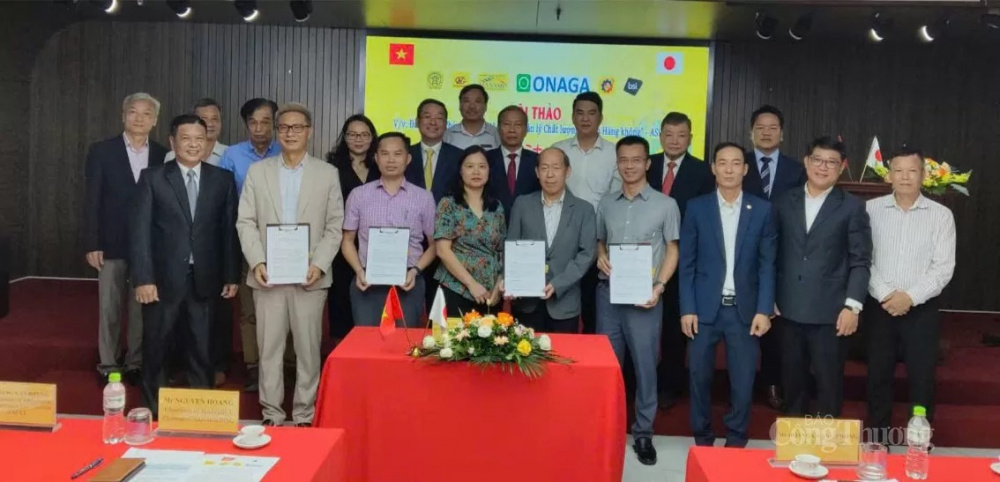
Organizing training and certification seminars like AS9100 is a strategic step that not only helps businesses improve their understanding and meet international requirements, but also opens up opportunities for Vietnam to move deeper into the global aviation and space market. If you make good use of these opportunities, Vietnam can fully become a reliable partner in the global supply chain, actively contributing to the development of the aerospace industry in the future.
*News source: tapchicongthuong.vn